August 31st, 2011
 Our team at Keldsen Family Dental Care knows that as more families turn to bottled water and away from the traditional tap, they may be missing out on one important ingredient that most brands of bottled water fail to include: fluoride!
For more than 60 years, water fluoridation has proved to be a safe and cost-effective way to reduce dental caries. Today, water fluoridation is estimated to reduce tooth decay by 20- to 40 percent in children who have access to fluoridated toothpaste.
Bottled water, however, which remains one of the more popular drinks in the world, may not contain any fluoride, which is known to help prevent and even reverse the early stages of tooth decay. The majority of bottled waters on the market do not contain optimal levels (0.7-1.2 ppm) of fluoride, according to our friends at the American Dental Association, or ADA. Many dental health specialists suspect bottled water’s increased popularity as the culprit behind rising rates of cavities.
Because fluoride helps strengthen teeth, it is an important component of maintaining good oral health. So if bottled water is your water of choice, be sure to check the label to make sure that your brand contains fluoride. As of a 2006 decision, the Food and Drug Administration, or FDA, allows bottled water containing .6 to 1.0 milligrams per liter (parts per million) of fluoride to carry a label stating that fluoridated water may reduce the risk of dental cavities or tooth decay. The ADA has backed this decision.
Of course, simply drinking fluoridated water is not a magic ticket to perfect teeth. To keep your pearly whites in tip-top shape, it’s important to brush and floss daily and avoid sugary sweets, in addition to maintaining your fluoride intake and visiting Dr. Chris Keldsen and our team at Keldsen Family Dental Care regularly.
August 24th, 2011
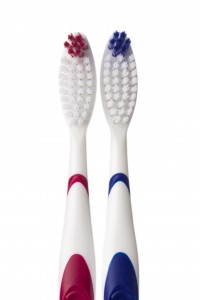 Everybody is jumping on the electric toothbrush bandwagon in recent years, with many experts in the dental field claiming electric toothbrushes provide superior dental care. It’s true that electric toothbrushes are recommended for those who can’t do a good job brushing manually or who have arthritis or other conditions. But manual toothbrushes do have some advantages, according to an article we recently found, including:
• Cost. While electric toothbrushes may be expensive for many people, manual toothbrushes are both inexpensive and accessible.
• Less pressure on your teeth & gums. While we can feel the amount of pressure we’re using as we grasp our manual toothbrush, we can’t feel the pressure nearly as well with an electric toothbrush. Placing too much pressure on our teeth can wear away at the tooth enamel, which causes pain, sensitivity, as well as an increased risk of tooth decay.
• Simple to pack. Manual toothbrushes are easy to carry around for those business or family trips. People are less likely to let their good dental care habits lapse on vacation with a toothbrush that they can easily bring along!
• Better for kids. Learning at a young age how to properly use a manual toothbrush helps children get a feel for how to properly take care of their oral hygiene.
Electric toothbrushes, on the other hand, are more effective in removing plaque and are considered a better alternative to maintaining gum health. Remember, whether you choose a manual or an electric toothbrush, Dr. Chris Keldsen and our team encourage you to choose one with soft bristles and be sure to change the bristles on the electric brush when they become worn down. We also encourage you to replace your toothbrush every three months, when the bristles are no longer straight and firm or after you recover from a cold.
Give us a call at Keldsen Family Dental Care if you have any questions or ask us on Facebook! Happy brushing!
August 17th, 2011
How about a treat today? Here's a little classic dental humor for you to enjoy, from the bumbling yet lovable British spy, Mr. Bean. We loved it, and know you'll get a laugh as well. Enjoy "Mr. Bean-At the Dentist”!
If you have any other video suggestions you think we should share with other patients, please let us know!
- Dr. Chris Keldsen and team
August 10th, 2011
 Maintaining your oral health is an important part of keeping your entire body well, and never more so than when you’re expecting. If you’re pregnant or considering pregnancy, schedule an appointment with us, and remember to raise the issue of your oral health at prenatal appointments with Dr. Chris Keldsen.
If pregnant, Dr. Keldsen wants you to be aware of the following issues:
• Tooth Decay
Excessive morning sickness can also contribute to tooth decay, as the acids in your stomach introduced to the mouth during vomiting wear away the protective enamel coating on your teeth.
• Gingivitis & Gum Disease
This is a major issue. The precursor to gum disease is gingivitis, a condition in which plaque buildup on teeth irritates the gums, making them red, swollen and sensitive. The high levels of hormones in the bloodstream brought on by pregnancy exaggerate your gums’ reaction to irritation from plaque.
• Loose Teeth
Another risk faced during pregnancy is loosening teeth. The large amounts of hormones in your bloodstream can have an unfavorable affect on the bones and ligaments that create the foundation of your teeth, weakening them to the point that teeth may loosen.
The ideal time to schedule an appointment at Keldsen Family Dental Care is before becoming pregnant. Dr. Keldsen will perform a check-up to determine the state of your oral health and how pregnancy might affect you. We will discuss completing any necessary treatments prior to your pregnancy. Give us a call today!